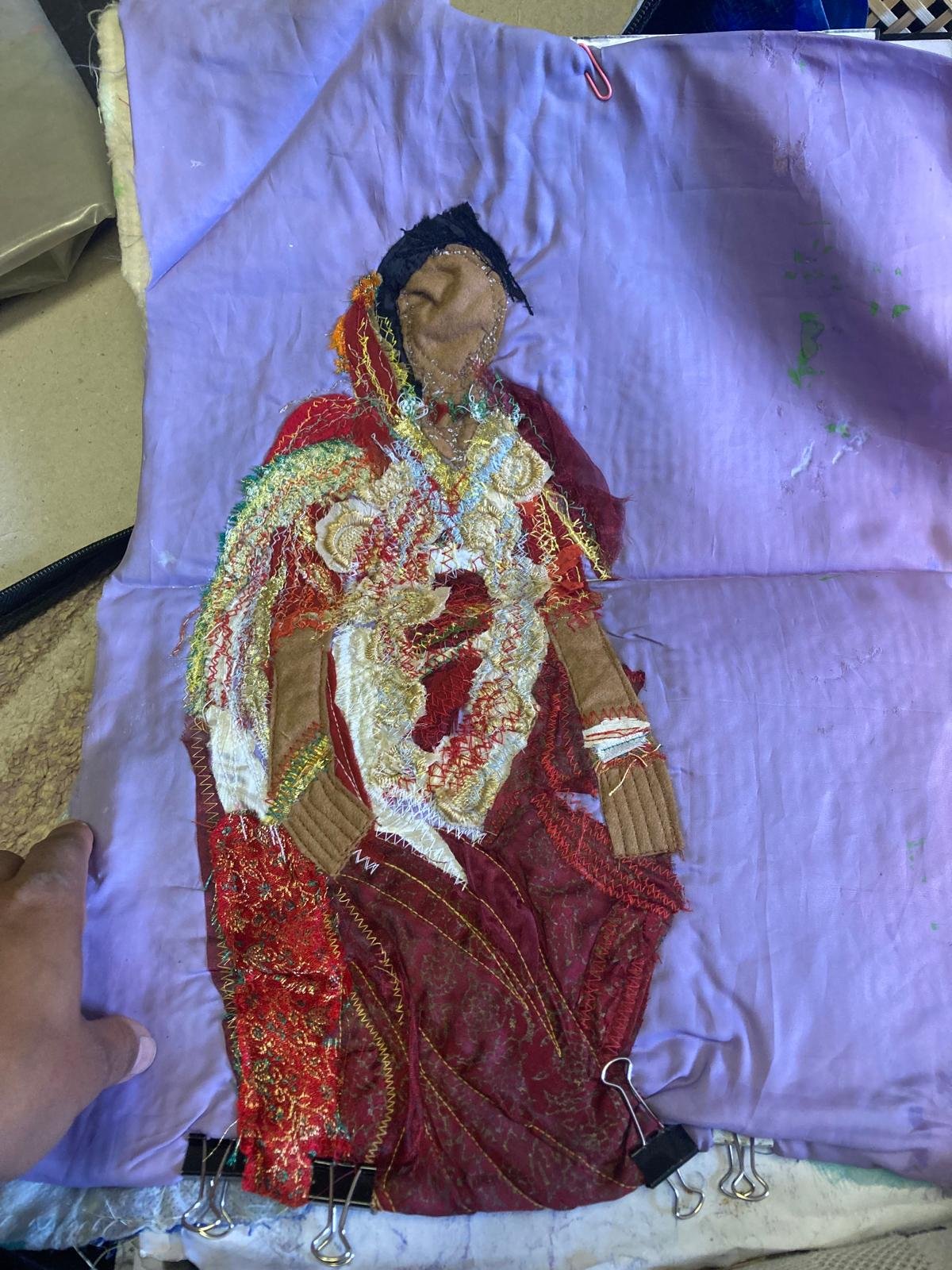
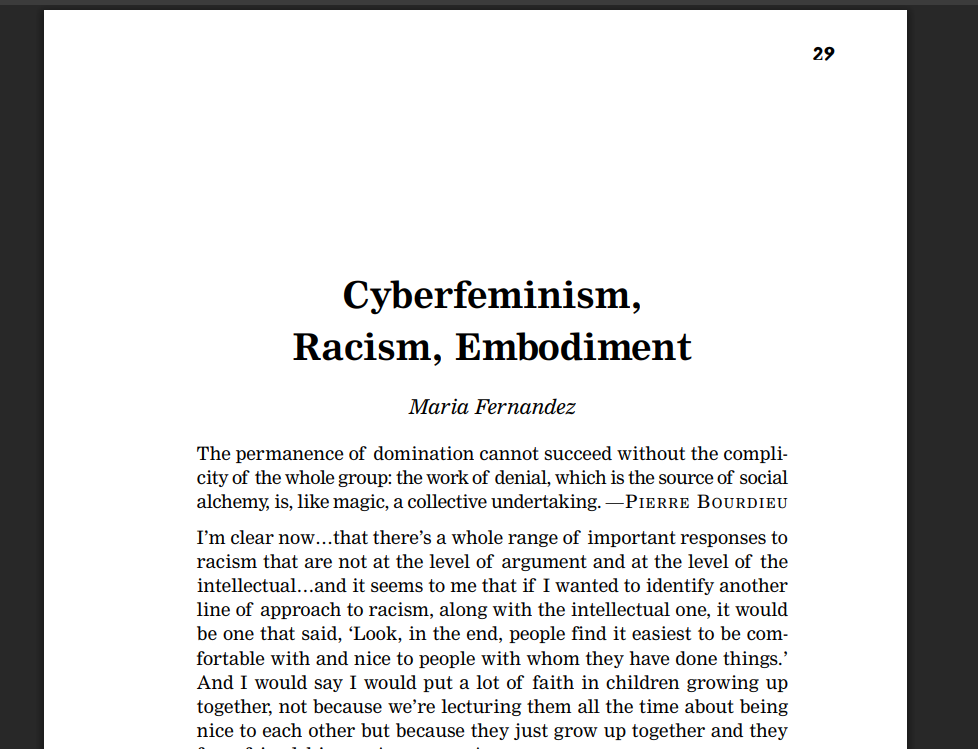
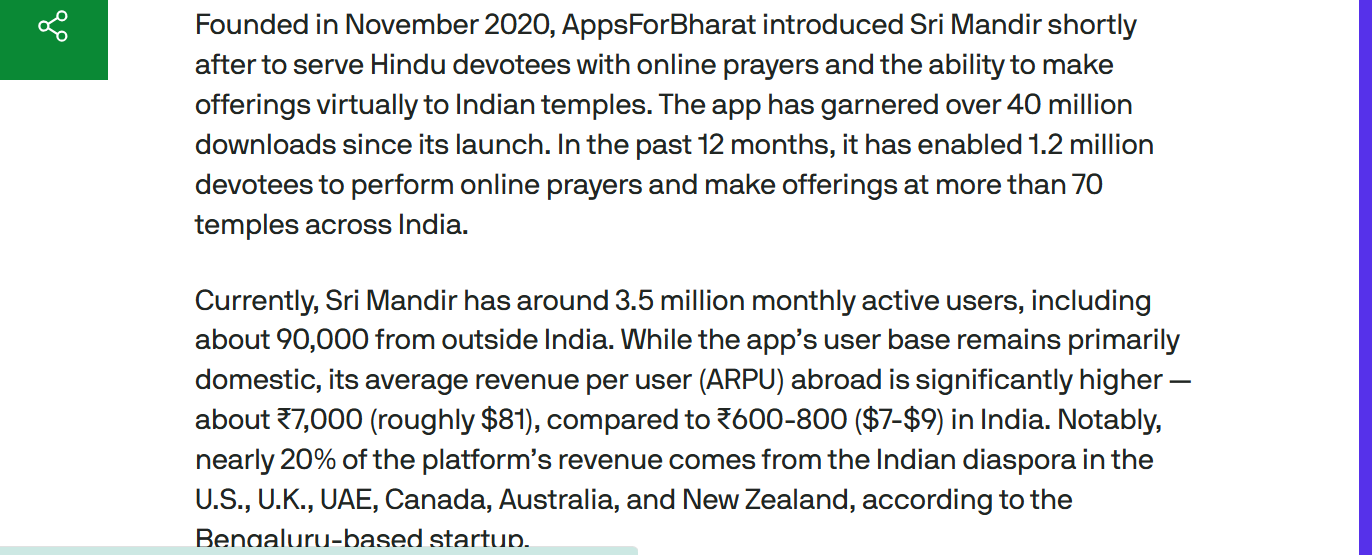
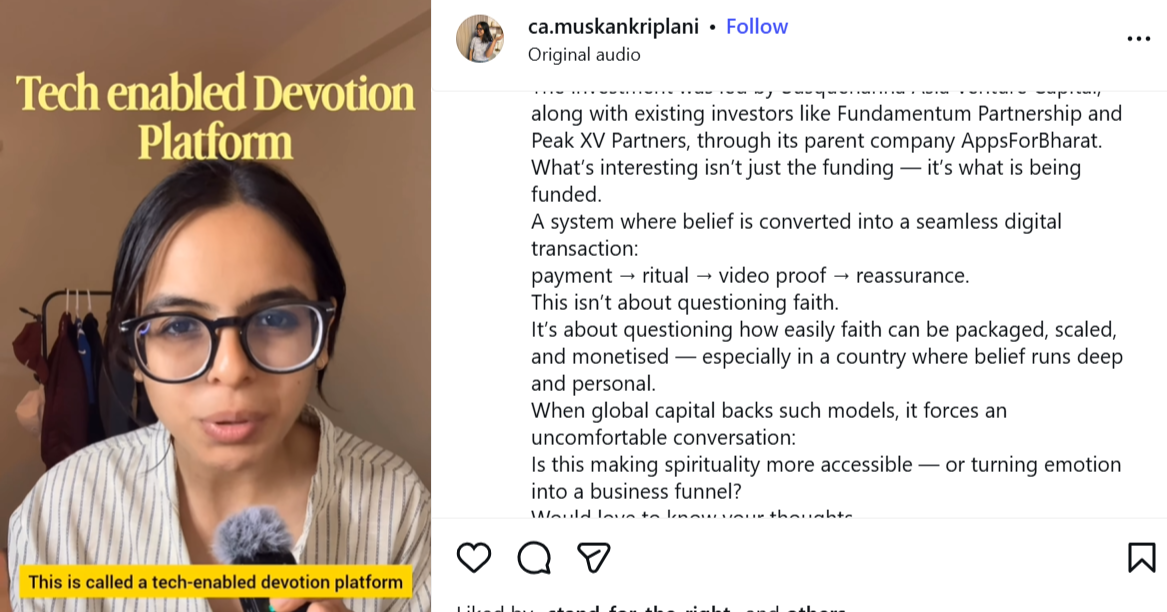
I’m really interested in unpacking the role of religion in my practise. I stick to Hinduism because it’s what I grew up with. I also grew up with Catholicism, because I went to a Catholic school, but I stick to Hinduism because culturally I have much more of a proximity to it and feel more comfortable critiquing it. I came across this post on instagram and it was about an app that you could log into and download and make a payment and pay for rituals.
I was curious about the idea of reassurance - so - this idea that you would pay, you would do the ritual, you would get the answer that you need and then you would get this instant gratification about it. I think I found it really both fascinating and worrying. We live in an age where we want to be validated about everything from relationships to how you’re doing in your job to how you’re doing spiritually and we want that so quickly.I am not a stranger to how hard it is to sit with uncomfortable feelings for a long time, but I thought it was very exploitative. We live in an age where everything has to have a really easy fix - from AI writing technologies, to AI apps for friendships where a digital character can read and respond to your messages and questions and essentially becomes a replacement for your friends.
I don’t have anything against doing things digitally - I think it’s important and accessible, but the problem with these apps is that they omit the need for you to do things with another person. I’m interested in how to tear that up. What are the things that we can make to bring people together? How can we create tools that you have to use with another person, whether face to face or digitally?

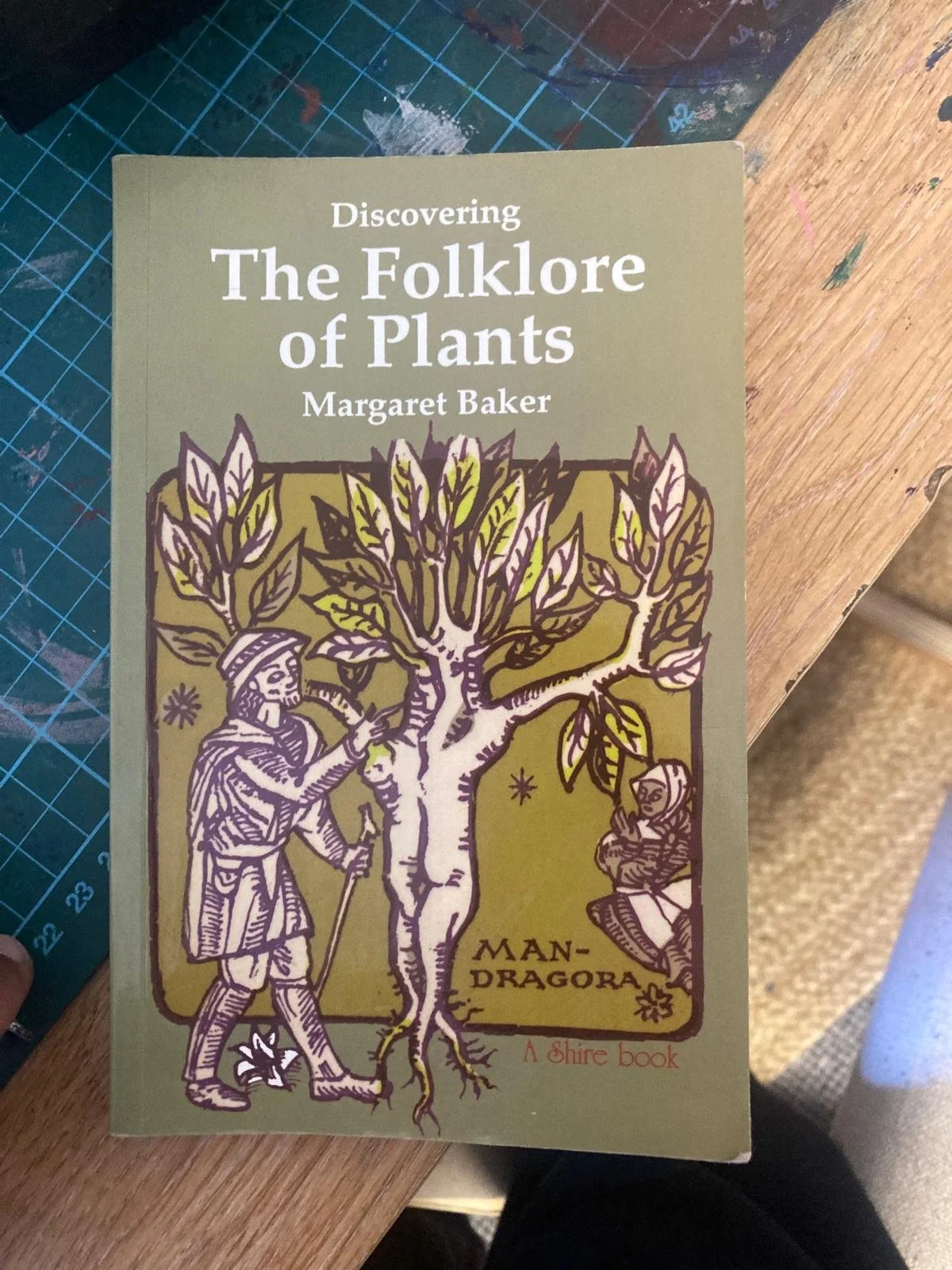
looking through very old school sketchbooks
Circling back to religion, when I was growing up - and still now - religion is this incredibly serious thing. You were not allowed to make jokes about religion, which leads into not being able to question things or to try things differently. I want to emphasise that this is my personal experience. I have this old memory of being at someone’s house and all Hindus have a small temple or shrine in their homes. And there was a small child, and she had a toy. I think it was a minion’s toy or one of those small things that comes out of a kinder egg, and I remember watching her going to put it at the foot of the temple and her parents instantly pulling her and saying ‘absolutely not, god does not want your toys’. As a child she would have thought ‘hey this is really precious to me, and I’m going to give what is precious to me to someone who I am being taught is also precious to me’. She was making a connection and to have that taken away for what I suppose was a sense of fear has always stayed with me. I remember feeling so hurt by that interaction because there was such a sincerity in her actions.
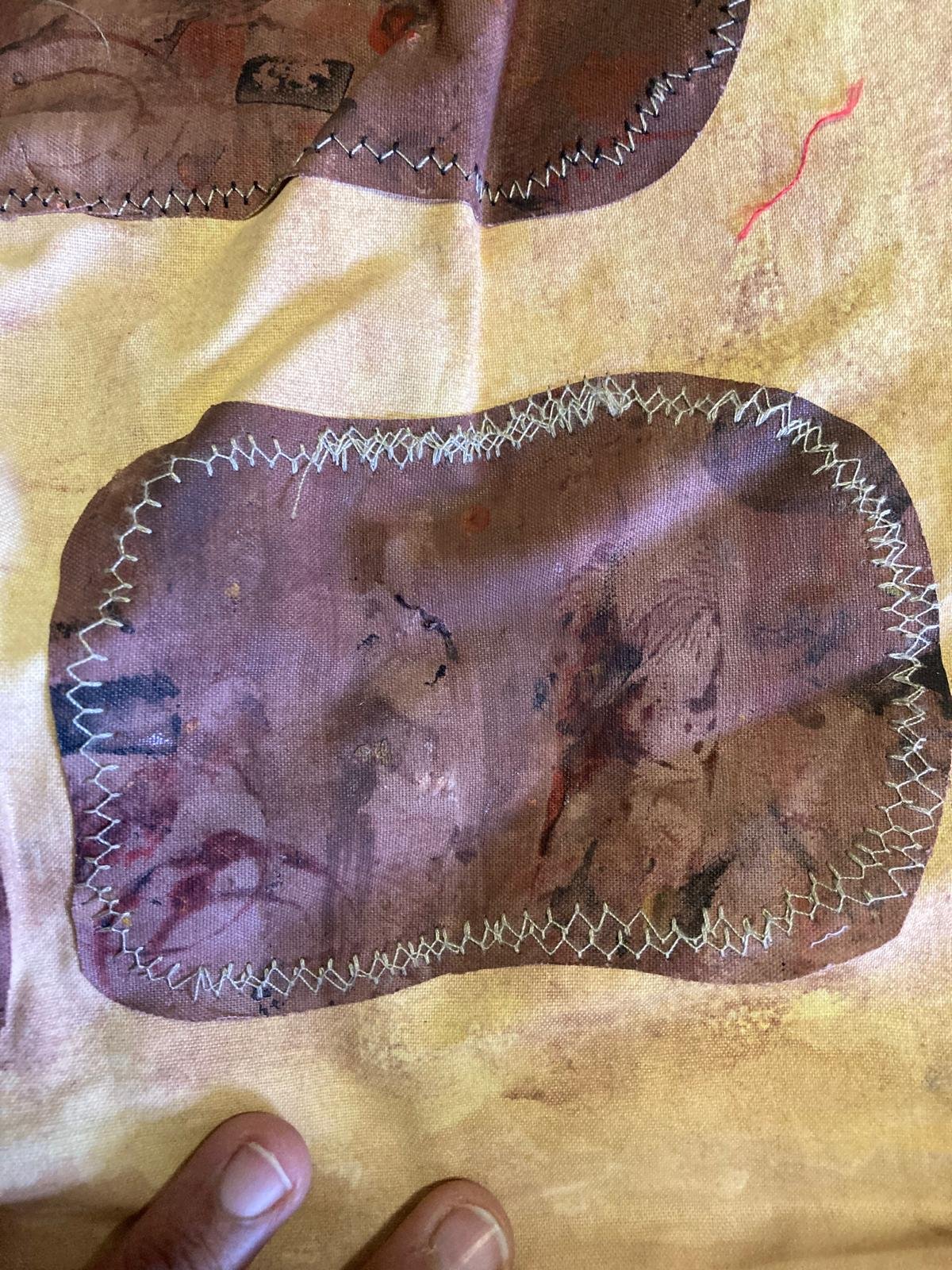
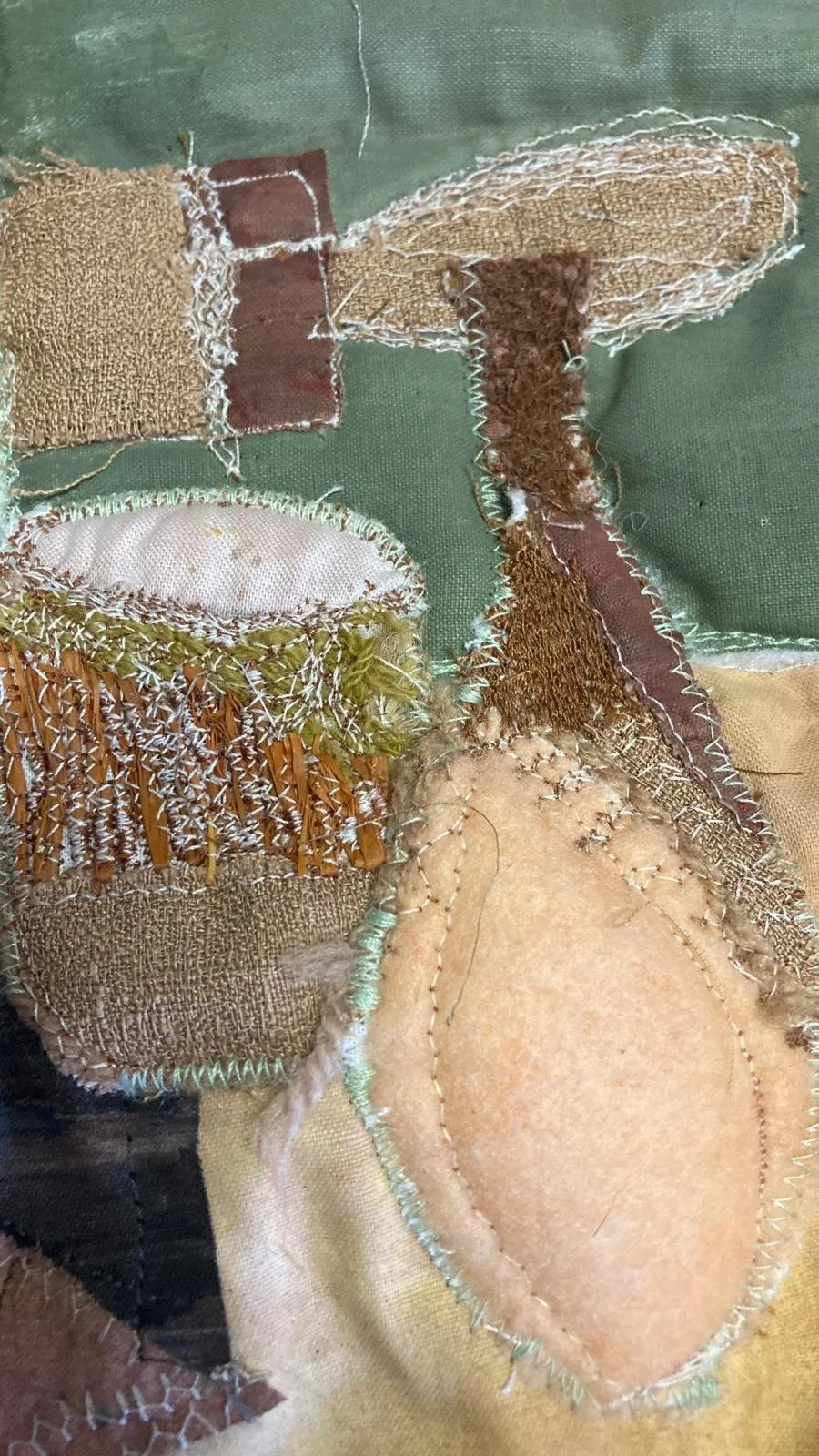
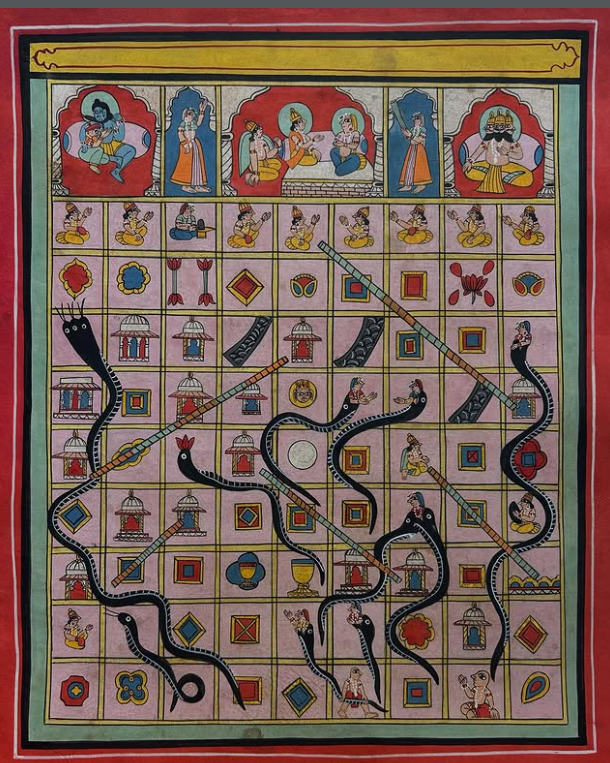
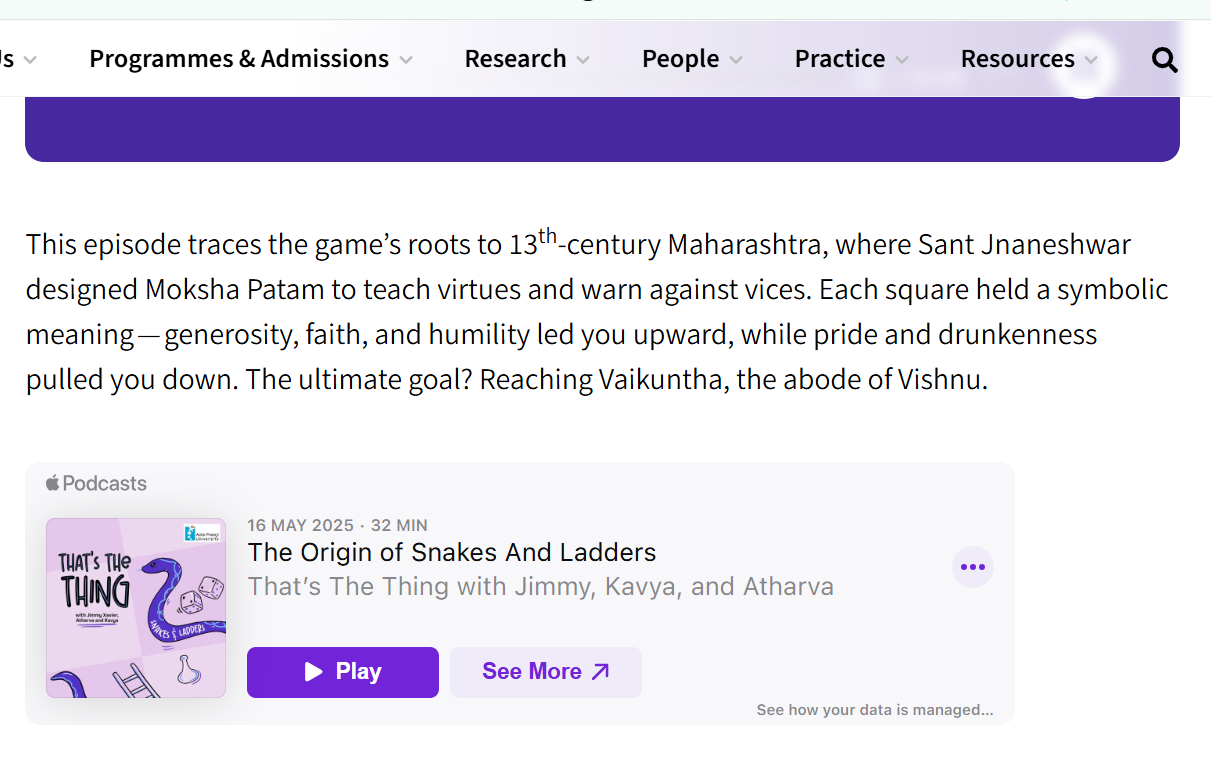
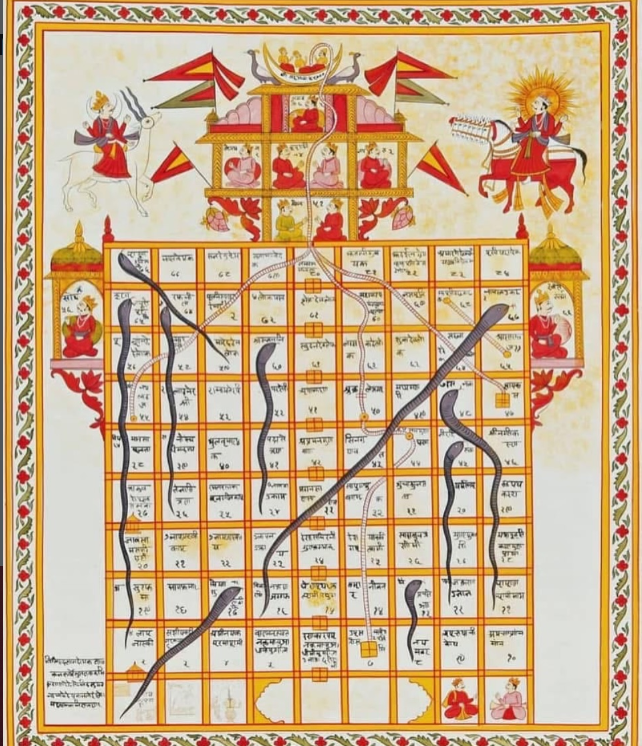
In this way, I like the idea of bringing together games, play, prayer, rituals and meditations. I came across this really lovely podcast about the history of snakes and ladders. I knew it was an Indian board game, but I didn’t know that it had this origin of Moksha Patam. It was originally a game that was intended to teach you about how to be a better person, which each square representing a different virtue or vice. I was excited when I first saw it, and I loved the designs of the boards - there are so many different designs. In this sense, I have been thinking a lot about Etsolstera, which is an invented language that I work with, which predicts the future, when it is written.
I wanted to make this a fact because, growing up, you get two sides of arguments when it comes to religious texts. The first, says the written word is everything and often ignores contexts or timelines of how times have moved on. And on the other side, we have people who will acknowledge how certain values or teachings or outdated and say well yes it’s written BUT we don’t have to pay attention to e.g the misogyny or casteism. There’s an acknowledge of how these exist, but not an acknowledgement of how that filters into peoples present day thinking, into systems or how people treat each other.
With Etsolstera, no matter what you write - it will come true. In this way, it really calls on people to think deeply about their power, their intention, their positions and how these affect the people and the world around them. If you know that the thing you’re going to wish for is absolutely going to come true - what would you wish for?